
Introduction
There has been a recent emphasis on encouraging self-care. The World Health Organization (WHO) is working on self-care interventions to allow individuals to play more of a role in the care of certain conditions (Ammerdorffer et al., 2022). The most important aspect that is impacting the increased transition of prescription medications to over-the-counter is consistent regulation throughout countries and regulatory bodies. Rx-to-OTC (RTO) has two different methods, which are a full RTO switch, where the drug becomes over-the-counter (OTC) entirely, or partial, where the RTO applies to specific conditions. Regardless of what method the drug follows to become RTO, it will require an OTC data package for efficacy and safety, and may even require a label comprehension test (Fisher & Rawal, 2023).
For a medication to be considered for over-the-counter status, it must maintain a safety and efficacy profile, have a low potential for misuse and abuse, be used to treat conditions that are self-diagnosable and self-treatable, and include understandable directions for use. Regulation of the candidate medication focuses on the benefit-risk profile (Uliana et al., 2026). As self-care is becoming more in demand, research on the topic is increasing. The most significant method is real-world evidence (RWE) studies.

Methods to Research
Real-world evidence studies provide some of the best information for RTO candidates; however, that research method is not very common for over-the-counter drugs due to gaps in consistent instructions. RWE studies allow for a diverse population, which is beneficial for confirming safety. It also allows for a longer study period (Maihofner et al., 2025).
Any example of a successful RWE study is a trial for a nonprescription cough remedy. This study has a vast amount of inclusion criteria and exclusion criteria, and had patients record their change in cough severity in a diary (Maihofner et al., 2025). This is beneficial, as it allows for a more realistic and accurate picture of how it affects a patient’s life.
RWE studies involve a process that investigates a patient’s ability to comprehend labels to ensure safety. Comprehension includes the patient’s ability to determine that the drug is the appropriate treatment for their condition and that they can accurately follow the directions for use (Maihofner et al., 2025). With the use of these real-world evidence studies, companies and pharmacies can choose good candidates to allow patients to perform more self-care.
Benefits of Transitioning to OTC
RTO has many benefits that all aim to make medications more accessible. Individuals want to be more proactive in treating conditions and ensuring preventive actions are taken. The transition to OTC drugs offers opportunities such as fewer doctor visits, increased access to effective treatments, and lower costs in some cases for medications. This, in turn, allows for decreased pressure on providers, as they will no longer have to be as active in the treatment of self-diagnosable and treatable conditions (Uliana et al., 2026).

Concerns about the Process
The RX-to-OTC switch is impacted by safety concerns, misunderstood directions, financial factors, local systems, and inaccurate monitoring once the OTC is on the market (Uliana et al., 2026). The most common reason for RTO rejection was safety concerns. Additionally, a large number of rejections were due to worries that patients will not be able to accurately diagnose and self-manage conditions without provider assistance. Behavioral and misuse concerns were apparent in drugs that could be misused if more medication than necessary is taken. Many societal and cultural factors may also play a role in how a medication is viewed in a country (Uliana et al., 2026).
Examples of RTO Candidates
Contraceptives
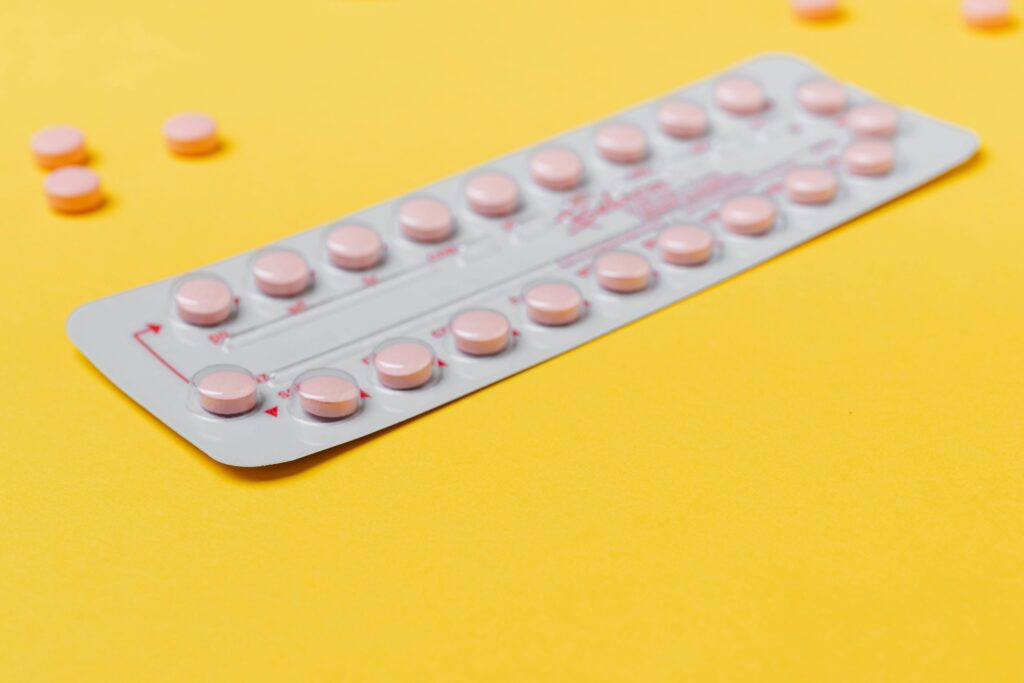
One of the most common medication types for RTO research is contraceptives. The motivation behind the transition for many countries is to encourage the use of guidelines that patients can use to make a choice for self-care. Upon transition of oral contraceptives to OTC, the hope is to allow for more access, reduce the number of unintended pregnancies, and improve the overall health of the patient (Ammerdorffer et al., 2022). Unfortunately, oral contraceptives run into barriers such as consistent regulation and high out-of-pocket expenses.
Adapalene
Some countries accepted the RTO switch for Adapalene, while others rejected it. Those who approved it employed risk mitigation measures such as having pharmacist involvement, screening tools, and accurate product labeling (Uliana et al., 2026).
Lipid-Lowering Drugs
With drugs, such as simvastatin, there is a concern that a patient may not be able to effectively self-manage their high cholesterol and cardiovascular treatment overall without the help of a provider or pharmacist. Choosing the correct treatment on their own would likely be difficult. The example of simvastatin shows risks such as myopathy and hepatotoxicity (Uliana et al., 2026). Without accurate monitoring, it could be dangerous.
Discussion
As time progresses, patients are more capable and eager to perform self-care. With safety and efficacy in mind, pharmacies and pharmaceutical companies are researching more candidates for over-the-counter drugs. The use of real-world evidence studies guides us in understanding the various factors of a drug’s success to be transitioned to OTC (Maihofner et al., 2025).
The identification of risks of early RTOs allowed for pharmaceutical companies to look into accurate labeling, which explains usage instructions and warnings. Consistent regulatory control is the goal between all countries; however, it is difficult due to different factors such as culture (Uliana et al., 2026).
References
Ammerdorffer, A., Laws, M., Narasimhan, M., Lucido, B., Kijo, A., Say, L., Awiligwe, A., Chinery, L., & Gulmezoglu, A. M. (2022). Reclassifying contraceptives as over-the-counter medicines to improve access. Bull World Health Organ, 100(8), 503-510. https://doi.org/10.2471/BLT.21.287561
Fisher, M., & Rawal, K. (2023). A Detailed Analysis of the Past 20 Years of US FDA-Approved Prescription to Over-the-Counter Switches. Ther Innov Regul Sci, 57(5), 1074-1080. https://doi.org/10.1007/s43441-023-00547-9
Maihofner, C., Mallick-Searle, T., Vollert, J., Kalita, P., & Sood Sethi, V. (2025). Review of Challenges in Performing Real-World Evidence Studies for Nonprescription Products. Pragmat Obs Res, 16, 7-18. https://doi.org/10.2147/POR.S504709
Uliana, T., Lassoued, Z., Restrepo, S. M., Rahman, S., Kolati, S., Ateka, A., & Sourial, K. (2026). Analyzing Prescription Drug to Over-the-Counter Drug Switch Rejections: Understanding Regulatory Concerns, A Global Overview. Clin Ther, 48(2), 148-158. https://doi.org/10.1016/j.clinthera.2025.12.012