
You remember being prescribed pills after being diagnosed with depression. After a few weeks, you felt better. Days began to get easier, and life started to feel much better. You eventually started to miss a pill here and there but didn’t think twice about it. As time went on, you forgot to take your pills altogether. Now, you are starting to feel the same way again and reach for the bottle of medication you never finished. You are unsure if it’s okay to start taking it as previously prescribed, though.

Introduction: The Prescription You Forgot About
Life can easily get busy, and unfortunately, personal health is one of the first things that people dismiss. When you start to feel better from a condition that a medication was treating, you may be tempted to put taking that medication at a lower priority. Many times, this medication is forgotten about until the symptoms of the condition return. It may not be safe, however, to resume the medication the way it was previously prescribed, or it may not be safe to take the medication again at all. Just because a medication was safe and effective once does not mean that you can restart the medication the same way at any time.
Your Health May Have Changed
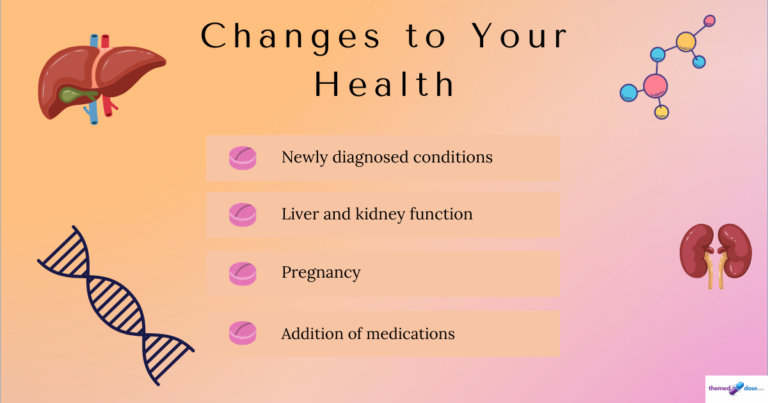
Newly diagnosed conditions or changes in the existing condition can change the way the medication reacts in your body. Changes in liver or kidney function can affect how the medications are processed, making one prior medication potentially dangerous currently. Circumstances may also have changed after the last time you took the medication. Pregnancy and other conditions diagnosed after the prior medication treatment can cause a different drug reaction in the body. Additionally, some medications are not safe to use during pregnancy, making the recommendations change.
Lastly, it is important to reflect on why the medication was started and remember why you stopped it. Changes in symptoms might imply that the original diagnosis or treatment plan needs reassessment. For example, if you stopped a blood pressure medication because it gives you a headache, it would be beneficial to return to the doctor for a potential alternative.
Your Medication Regimen May Have Changed
Many doctors’ offices require you to write down all medications you take, including over-the-counter drugs and supplements. The doctor commonly uses this list to ensure safety and will review it for any contraindications. While over-the-counter medications and supplements seem harmless, some of them can interfere with prescription medications. Since these new additions haven’t been reviewed by the prescriber and pharmacist, you should contact the prescriber for a safe treatment plan. Check out the blog post regarding medication reconciliation here.
The prescriber and pharmacist also need to know all medications, regardless of prescription or nonprescription, to ensure there is no duplicate therapy prescribed. This is an especially significant step for the provider and pharmacist to check to avoid complications, such as an accidental overdose. Check out the blog post regarding medication interactions here.
Your Previous Dose May No Longer Be Appropriate
As mentioned above, a medication that was once deemed safe for you may not be appropriate after an interruption. For example, many mental health medications, such as those for depression, must be tapered up to the appropriate dose. Taking this abruptly after an interruption could lead to certain problems, such as increased side effects or even overdose.
Drug tolerance, treatment goals, and length of the interruption matter when deciding how to restart the treatment. As you take a medication, your body may begin to get tolerant to it, making the effect less. The effects of a medication interruption depend on the specific drug, the duration of the interruption, and the patient’s individual circumstances. For some medications, restarting the previous dose after a prolonged break can increase the risk of adverse effects because the body may no longer be accustomed to that dose. Other medications may require gradual dose increases or additional monitoring before treatment can safely resume. The treatment goal before might be more severe or less severe than it is now. Additionally, it is important to note that some medications require gradual dose increases or specific monitoring.
Four Examples: When Restarting Medication Requires Extra Caution
Antidepressants
After a prolonged interruption, restarting an antidepressant may require a reassessment of the prior dose and treatment plan. Depending on the specific medication and the length of the interruption, the prescriber may recommend restarting at a lower dose and gradually increasing it. Resuming the previous dose without guidance may increase the risk of side effects, and some medications carry additional risks when treatment is interrupted and restarted. Any previous benefits or adverse effects, whether positive or negative, should be discussed with your prescriber before starting the medication again on your own. Intermittent use of antidepressants can have a reduced responsiveness to the treatment once started again. Discontinuing and restarting the medication could lead to loss of efficacy, and lead to a reduced magnitude of response on restarting 1.
Blood Pressure Medications
Blood pressure and overall health can change over time, so a previously prescribed dose may need reassessment after a prolonged interruption. High blood pressure often has no noticeable symptoms, and a single elevated reading does not necessarily determine which medication or dose is appropriate. Contact your prescriber to review your readings and determine whether treatment should be restarted or adjusted.
New medications and changes in kidney function can also affect the safety of certain blood pressure medications. A pharmacist or prescriber can review these factors before you resume the previous regimen.
Insulin and Other Diabetes Medications
Different kinds of diabetes medications are prescribed for specific factors. These factors, or your blood glucose levels, can change. Your prescriber may want to monitor your blood glucose more closely or order some lab work before deciding on keeping the medication previously prescribed or changing to an alternative. Skipping the prescriber review can lead to risks such as inappropriate treatment or dangerous blood glucose levels. Insulin instructions, as well as some diabetes medications, are unique to your condition and factors at the time of receiving the prescription. These factors could have changed, making a doctor’s review a safer option than simply restarting the medication on your own.
Anticoagulants
Anticoagulants can pose big risks if not taken correctly. The original reason for the prescribed treatment must still be relevant for safety. If there has been a long enough interruption, bleeding risks, the addition of new medications, and changes in health can affect the decision on keeping the medication prescribed or not. An old prescription should never be restarted casually due to the potential risk of bleeding.
What if the Medication is Still Within its Expiration Date?
An unexpired medication is not automatically safe or appropriate to reuse. Other factors, especially your current conditions and situation, can play a role in determining the safety of a drug. Storage conditions can affect medication quality, and an older bottle should not be assumed to be safe. Read more on medication storage here. Some medications have special storage requirements or limited usability after the bottle has been opened or prepared. Most importantly, expiration dates do not replace the review done by the prescriber and pharmacist, and do not tell you whether the treatment plan is still appropriate.
Why Did You Stop Taking the Medication in the First Place?
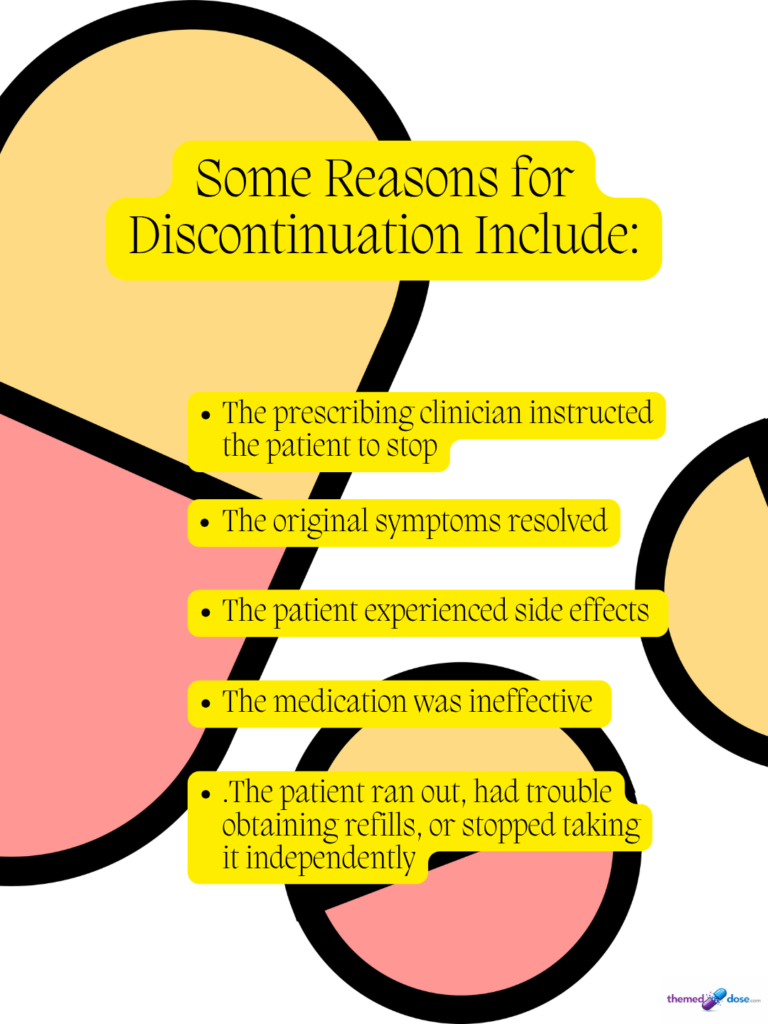
The reason for discontinuing the medication can change what should happen next. For example, a medication stopped because of a serious adverse reaction needs a different evaluation from one stopped because a short course of treatment was completed.
What Should You Do Before Restarting an Old Prescription
- Check the prescription: Identify the medication, strength, instructions, and expiration date
- Review why you stopped: Recall whether the medication was discontinued by your prescriber or stopped for another reason
- Review your current medications: Include prescriptions, over-the-counter products, vitamins, and supplements
- Contact your pharmacist or prescriber: Ask whether restarting is appropriate and whether you need a new prescription, dose adjustment, or monitoring
- Follow the updated instructions: Don’t assume you can resume your old dose or compensate for missed doses on your own
When Should You Seek Urgent Medical Advice?
Effects such as difficulty breathing, swelling of the tongue or throat, fainting, or severe confusion are emergencies and should be addressed as soon as possible. If any of these life-threatening symptoms occur, you should call emergency services rather than waiting for the pharmacy to advise you or for the prescriber to guide you on next steps.
Conclusion
A medication’s previous effectiveness does not guarantee that it remains appropriate. Health conditions, other medications, and treatment goals can change. Before restarting a medication after a prolonged interruption, contact your pharmacist or prescriber for guidance. Reaching out to your healthcare professionals can help you avoid preventable medication errors and make sure your treatment fits your needs.
References
- Majkic N, Taylor D. Loss of responsiveness on reinstatement of antidepressants after treatment interruption – A systematic review. J Psychopharmacol. Oct 2025;39(10):1114-1119. doi:10.1177/02698811251364388
Author Bio
I am a clinical research professional and pharmacy technician with experience in pharmacy practice and medication-related topics. I am passionate about medication safety, healthcare education, and making complex healthcare information easily accessible. Through TheMedDose, I share practical insights on medications, pharmacy practice, and patient safety to help the public better understand the impact of medications in everyday care.