
Many patients leave the doctor’s office with the instructions “go to your pharmacy; your medication will be ready there”, only to arrive and hear that their medication is on back order or is experiencing a drug shortage. Drug shortages can make a grand impact globally and should not be ignored.
Introduction
A drug shortage occurs when the supply of a specific medication depletes to the point where it cannot be available in a particular area. These can occur anywhere from within a healthcare system to globally. What many people are not aware of, however, is that the consequences of drug shortages are more than just inconvenience at the pharmacy counter.
I personally have encountered drug shortages in both my retail and inpatient pharmacy technician career. During my retail time, I recall patients initially being upset but still understanding. As time went on, however, and the drug was still not getting delivered, the patients began stressing over their health and even pushed some of the stress onto the pharmacy staff. This led to an overall discomfort for everybody involved, from the patient to the manufacturer. At the hospital, I experienced a backorder of a pain medication. Admittedly, I did not think this was going to be a major issue, given all the other narcotics available. I was not aware that some patients specifically needed the one unavailable either due to allergies or pain level. Patients were in pain until the issue was resolved, and the entire healthcare team was saddened to know that many patients were in severe pain due to the backorder.
This led me to question the true impact of a drug shortage. Drug shortages could last for a couple of weeks, or it could last for a significant amount of time. The best way to combat the effects of a drug shortage is to stay educated and ahead of any potential shortage.
The Risks and Consequences of Medication Shortages
The most vulnerable group affected by drug shortages is pediatrics. A drug shortage potentially impacts pediatric care in the following ways:
- Delayed or canceled procedures
- Altered care
- Use of less effective treatment

When a child needs a medication that is undergoing a drug shortage, ethical and practical issues arise for all involved in the healthcare management (Rosario et al., 2024). It is not easy to “prioritize” one pediatric patient over another. Conflict may arise from disagreements and could also affect the timeliness of care.
For all patients, drug shortages are dangerous in situations that involve severe allergies, intense pain, and mental illnesses (Pall et al., 2023). A situation may arise where a patient is going to the pharmacy for their emergency medication, and the pharmacy is out, or a lack of daily medication from the pharmacy could lead to an emergency. Additionally, a patient may rush to the hospital for acute care and be told that there is a drug shortage for the treatment that they need. Other than delays or lack of care, there is also a risk of medication errors or an alternative treatment causing injury or drug reactions (Routsolias & Webb, 2023).
Common Causes of Drug Shortages
Being aware of the contributing factors to drug shortages is vital, as the impact of the drug shortage may be minimized if preparation for the shortage can be made. Some factors are more noticeable than others. If a pharmacy starts to suspect a drug shortage, it is very important that the pharmacy raises concerns. Communication regarding a potential or existing drug shortage is the first step to reducing or even preventing the drug shortage.
Numerous factors have been noted to contribute to drug shortages, including:
- Obstacles in production
- Strict regulations
- Changes consistently occurring in the local and global market
- Disruptions in supply chain
- Difficulty with finances
- Issues within the healthcare industry itself
Occasionally, a drug will be developed and manufactured without any disruptions; however, the issue will occur in transportation of the drug. On the other hand, some face obstacles from the drug approval (Pall et al., 2023).
Preventing and Managing Drug Shortages
Pharmacies, providers, and manufacturers should always be prepared in case a drug shortage occurs and should proceed with the appropriate method. One method that was proposed early on is for drug importation in the event of a drug shortage. This is risky, however, as it might lead to multiple countries encountering the drug shortage. There is also the possibility that a safety restriction could prevent the importation of the drug (Routsolias & Webb, 2023).
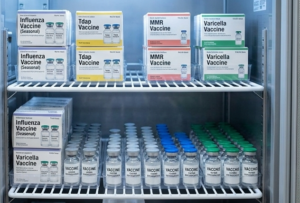
In the case of vaccines, pharmacies should ensure the appropriate storage is being utilized to allow the vaccine to last as long as safely possible. A strong delivery system, along with inventory management, can allow for vaccines to be available when needed. Purchasing generic alternatives, compounding at the pharmacy, and utilizing effective inventory management are additional methods proposed to battle and prevent a drug shortage. Effective inventory management leads to better forecasting of a potential drug shortage and can help to order the drug efficiently when available (Rosario et al., 2024).
Conclusion
Drug shortages are more than just an inconvenience. They can lead to stress for the patient and providers. Safety of the patient is greatly compromised when a drug shortage occurs, and many patients may encounter greater effects of their illness. The pediatric population is the most vulnerable to a drug shortage. Awareness of the factors and education about the methods to battle drug shortages can help mitigate many consequences of a drug shortage.
References
Pall, R., Gauthier, Y., Auer, S., & Mowaswes, W. (2023). Predicting drug shortages using pharmacy data and machine learning. Health Care Manag Sci, 26(3), 395-411. https://doi.org/10.1007/s10729-022-09627-y
Rosario, A., Hanko, B., & Zelko, R. (2024). Managing drug shortages in pediatric care. Front Pharmacol, 15, 1416029. https://doi.org/10.3389/fphar.2024.1416029
Routsolias, J. C., & Webb, A. N. (2023). Drug Shortages Negatively Impact Health Systems and Bedside Patient Care. J Med Toxicol, 19(3), 246-247. https://doi.org/10.1007/s13181-023-00950-6