
Introduction
Before taking any sort of medication, a person should always be educated on the benefits and risks of the drug. It could potentially be difficult to trust a new medication due to the unknown factor of potential harm; however, an amendment by the FDA in 2007 introduced Risk Evaluation and Mitigation Strategy (REMS). Following the introduction of REMS, patient safety for certain high-risk medications has improved. The implementation of REMS allows for the prevention, monitoring, and management of any potential serious risks for eligible medications (Metkus et al., 2024). There are three main components to any REMS program: the medication guide intended for the patient’s education, the communication plan meant for the provider’s education, and the elements to assure safe use (ETASU). ETASU is for the drugs that have the potential for such a high risk that the drug would not be available on the market due to safety concerns (Tajchman et al., 2022). As of January 2021, there are 51 FDA-approved drugs utilizing REMS with ETASU (Sarpatwari et al., 2022). Patient safety and trust are a top priority for the healthcare team. This blog post will dive deeper into the utilization of the REMS program, including the barriers and facilitators, potential burden to the treatment team caused by REMS, and an example of the utilization of REMS for the drug prasugrel.

Barriers and Facilitators
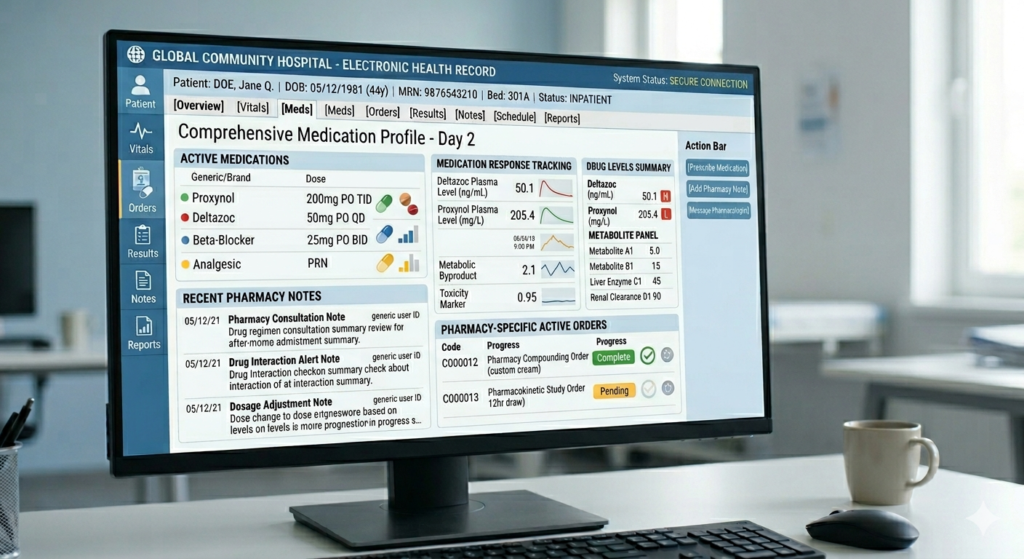
It is still unknown how truly beneficial utilizing the REMS program for a drug is. While many drug cases show significant reductions in inappropriate drug use, other cases show little to no impact (Metkus et al., 2024). Examples of facilitators for implementation are treatment teams’ training and education, required staff competency, and electronic health record (EHR) education documentation. However, consistency is difficult to achieve between different EHR systems utilized by pharmacies and hospitals, creating a barrier to implementing REMS (Tajchman et al., 2022).
Potential Burdens of REMS
Although there are many cases where REMS has proven to be beneficial, there are concerns of the burden it causes for the treatment team. For example, prescribing providers may have to go through additional certification, fully comprehend the REMS requirements, enroll patients, make sure that all monitoring orders are being performed, and that all conditions put in for safety are consistently met. The impact on the pharmacist is the potential for having to make sure the enrollment has been conducted, the dispense authorization has been received, educate the patient on the risks and benefits, and monitor the REMS requirements (Tajchman et al., 2022).
Prasugrel Example
Prasugrel was first approved in 2009 for its use in reducing the rate of acute myocardial infarction in patients with acute coronary syndrome following PCI, but comes with a bleed warning. The FDA required it follow the REMS program, which meant that there was a medication guide available upon the patient receiving the medication to warn about the bleed risk. The Sponsor and FDA also followed the patients’ use by utilizing a survey to ensure proper observation of the REMS goals. Providers were also given a communication plan for their education regarding the risks of the drug, as well. Prasugrel participated in the REMS program until 2012, when it was discontinued (Metkus et al., 2024).
Conclusion
In 2007, the FDA was able to require that certain medications that carry a high risk follow the REMS program. Failure to meet REMS requirements could result in FDA warnings, fines, and potential seizure of the drug (Davis et al., 2023). REMS programs, especially those with ETASU, lead to some patients and providers feeling more comfortable starting a new medication (Sarpatwari et al., 2022). Overall, although there is not enough information currently to specifically state how beneficial the REMS program is, the implementation of REMS holds many benefits for patients and their safety.

References
Davis, S., Reynolds, K., & Ulrich, C. (2023). Leveraging Technology in Risk Evaluation and Mitigation Strategy Programs. HCA Healthc J Med, 4(2), 91-93. https://doi.org/10.36518/2689-0216.1558
Metkus, T., Curran, J., Lin, S., Qato, D. M., & Alexander, G. C. (2024). Assessment of the U.S. Food and Drug Administration’s risk evaluation and mitigation strategy (REMS) for prasugrel (EFFIENT): A narrative review. Am Heart J Plus, 38. https://doi.org/10.1016/j.ahjo.2024.100359
Sarpatwari, A., Brown, B. L., McGraw, S. A., Dejene, S. Z., Abdurrob, A., Santiago Ortiz, A. J., & Kesselheim, A. S. (2022). Patient and Caregiver Experiences With and Perceptions of Risk Evaluation and Mitigation Strategy Programs With Elements to Assure Safe Use. JAMA Netw Open, 5(1), e2144386. https://doi.org/10.1001/jamanetworkopen.2021.44386
Tajchman, S., Lawler, B., Spence, N., Haque, S., Quintana, Y., & Ateya, M. (2022). Implementation and Use of Risk Evaluation and Mitigation Strategies Programs in Practice: A Scoping Review of the Literature. Appl Clin Inform, 13(5), 1151-1160. https://doi.org/10.1055/s-0042-1758838