
Introduction
Alcohol use disorder (AUD) affects many worldwide and remains one of the leading causes of preventable death in the United States. Despite the current treatments, occurrences and relapses remain high, which leads to AUD gaining attention in research. Alcohol use disorder is a chronic brain disorder defined by the following observations:
- Lack of alcohol intake control
- Compulsive alcohol behavior leading to relapse
- Withdrawal symptoms and emotional distress when alcohol is unavailable, or there is no intake of alcohol
About 280 million people are affected by this disorder worldwide (Klausen et al., 2025). .Alcohol use has major impacts on more than just the individual; it can affect family, friends, and professional life. Due to the serious health and social consequences associated with AUD, researchers continue exploring innovative treatment approaches to improve patient outcomes.
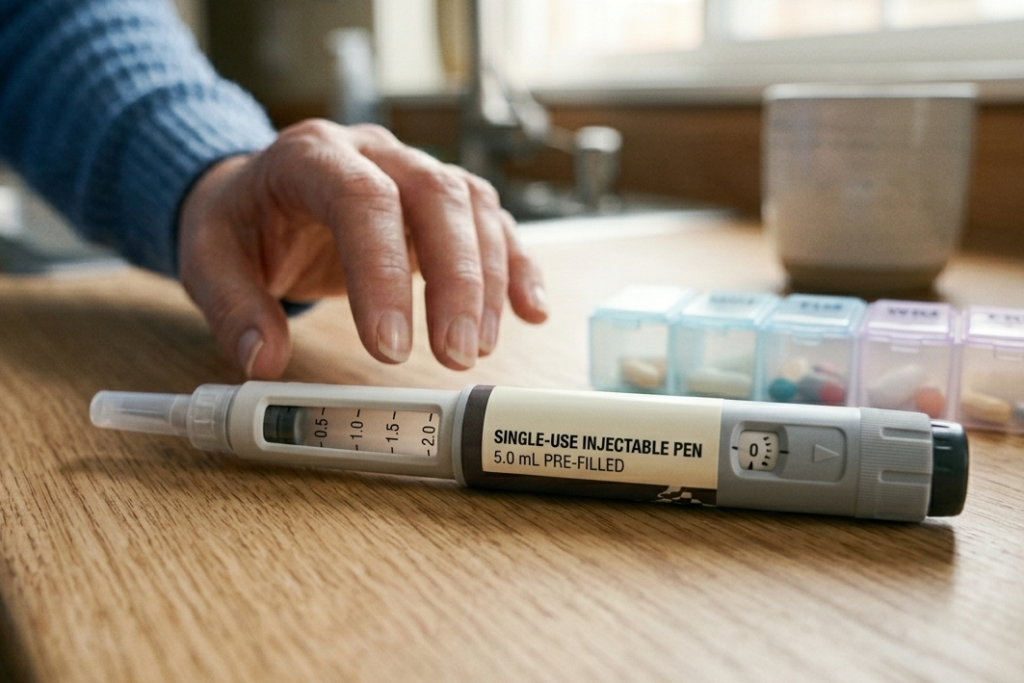
GLP-1RAs, commonly prescribed for individuals diagnosed with diabetes or obesity, are gaining more focus in research for their potential use to decrease alcohol cravings. Current FDA-approved and off-label treatments for AUD often face challenges with adherence, accessibility, and long-term effectiveness. The purpose of this blog post is to discuss the severity of AUD and dive into the potential of GLP-1RAs to be used for treatment.
Causes of Relapse and Difficulty with Treating AUD
An estimated 45%-90% of patients who receive AUD treatment relapse within the first 3 years following the initiation of the treatment, making proper treatment vital (Klausen et al., 2025). The following is a list of relapse factors:
- Age
- Health and diagnosed illnesses
- Severity of AUD
- Duration of abstinence from alcohol
- Comorbid substance use disorder
- Smoking
- Traumatic life events
- Stressful life
- Living alone
- Feeling that the individual has no life purpose
- Psychological factors

Health Consequences of Untreated AUD
AUD leads to potential long-term consequences on physical and mental health if left untreated. The table below lists examples in both categories:
| Potential Physical Impacts of Chronic Alcohol Use | Potential Mental Impacts of Chronic Alcohol Use |
| Liver disease | Increased anxiety |
| Cardiovascular conditions | Worsening depression |
| Weakened immune system | Triggering symptoms of existing mental health conditions |
| Neurological damage |
The appearance of these impacts creates a cycle that makes it difficult to treat the AUD, therefore leading to a potential delay in treatment. Recovery becomes more difficult unless the chain of effects is broken.
Can GLP-1 Medications Reduce Alcohol Cravings?
Before diving into the agonist and how it can be used as a treatment for AUD, let’s first look at the details of glucagon-like peptide-1 (GLP-1). The main goal of GLP-1 is to slow gastric emptying and regulate food desire and intake.
Therefore, GLP-1 receptor agonists (GLP-1RAs) are being observed in research to determine their effects on alcohol consumption (Klausen et al., 2025). 12% of adults in the US reported taking a GLP-1RA in 2024 for diabetes, obesity, or being overweight (Lira et al., 2025). While initial research was conducted primarily on rodents and primates, there are some newer randomized controlled trials (RCTs) that focus on GLP-1RAs’ effect on humans’ intake of alcohol. The individuals enrolled in these studies are commonly those who are already prescribed these medications due to conditions such as Type 2 diabetes.
There are limitations in prescribing GLP-1RA medications, including:
- Unknown if there is a benefit to individuals without any metabolic conditions
- Denial of coverage for GLP-1RA medication from insurance and high cost
- Some contraindications to other medications remain unknown
In addition, there are strict rules for repurposing a drug, and these require clinicians and scientists to conduct randomized controlled trials for more information (Leggio et al., 2023).
Using GLP-1RAs differs from other treatments in a positive way in that it focuses on reduced alcohol consumption, decreased intensity of drinking, and reduced frequency of heavy drinking moments (Petrie & Mayo, 2025).
Conclusion
The research focusing on GLP-1RAs as treatment for AUD is a great start to reduce the number of those affected by the disorder. Since current medications for AUD have limitations, it is vital to identify more ways to treat and manage AUD. However, cost may become an issue similar to how it is for those affected by diabetes and obesity. As this advancement in addiction treatment is coming through, medication must be both accurate and affordable.
References
Klausen, M. K., Knudsen, G. M., Vilsboll, T., & Fink-Jensen, A. (2025). Effects of GLP-1 Receptor Agonists in Alcohol Use Disorder. Basic Clin Pharmacol Toxicol, 136(3), e70004. https://doi.org/10.1111/bcpt.70004
Leggio, L., Hendershot, C. S., Farokhnia, M., Fink-Jensen, A., Klausen, M. K., Schacht, J. P., & Simmons, W. K. (2023). GLP-1 receptor agonists are promising but unproven treatments for alcohol and substance use disorders. Nat Med, 29(12), 2993-2995. https://doi.org/10.1038/s41591-023-02634-8
Lira, M. C., Barrett, E., & Coffey, M. J. (2025). GLP-1 Receptor Agonists: Encouraging Signals for Treating Alcohol Use Disorder. J Gen Intern Med, 40(12), 2997-2999. https://doi.org/10.1007/s11606-025-09498-3
Petrie, G. N., & Mayo, L. M. (2025). GLP-1 receptor agonists for the treatment of alcohol use disorder. J Clin Invest, 135(9). https://doi.org/10.1172/JCI192414